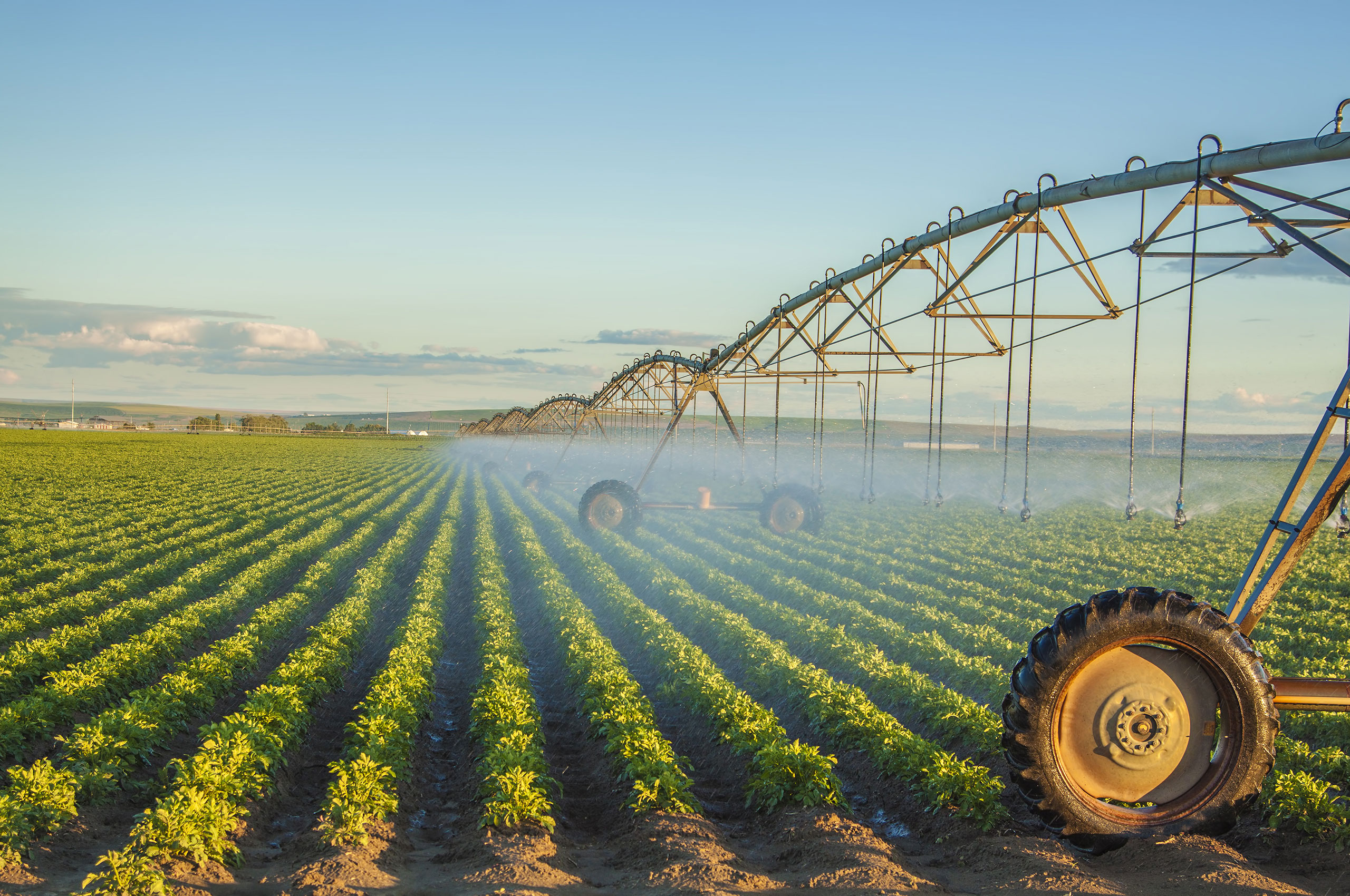
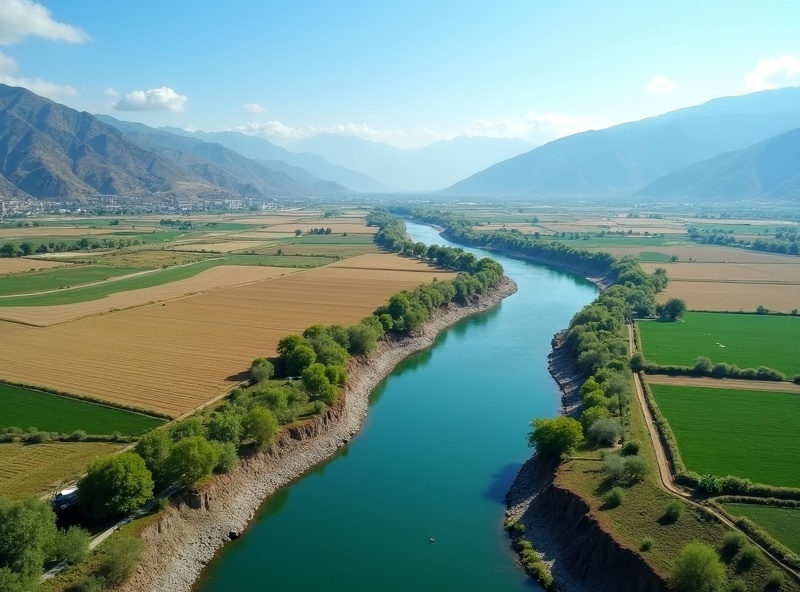
Gediz River Basin

Water Collective Action

As a result of stakeholder surveys, literature reviews, and examination of water policy documents, the Gediz Water Basin was selected as the project area in Türkiye.

This basin is critically important for agricultural production, as well as being a sensitive region to water stress and the effects of climate change. Our project aims to develop a multi-stakeholder approach for sustainable water management in this region.

Dialogue Platform

Multi-stakeholder collaboration platform for sustainable water management in the Gediz Basin

Mission

To reduce water risks and ensure sustainable management in the Gediz Basin.

Strategic Objectives

  • Developing common basin-based strategies
  • Disseminating best practice examples

Activities

Regular stakeholder meetings, panels, and field studies

GYSU Initiative

Gediz Water Management Practices (GYSU) aim to reduce water stress in the basin
First Term

Data Collection and Analysis

Comprehensive data collection efforts and detailed analysis processes across the basin

Second Term

Start of Pilot Applications

Implementing pilot projects in selected areas and monitoring initial results

Third Term

Scaling and Deployment

Disseminating successful practices throughout the basin and ensuring sustainability

Pilot Application Areas

Exemplary practices for sustainable water management in the Gediz Basin
Pilot Area 1

Sahyar, Alasehir

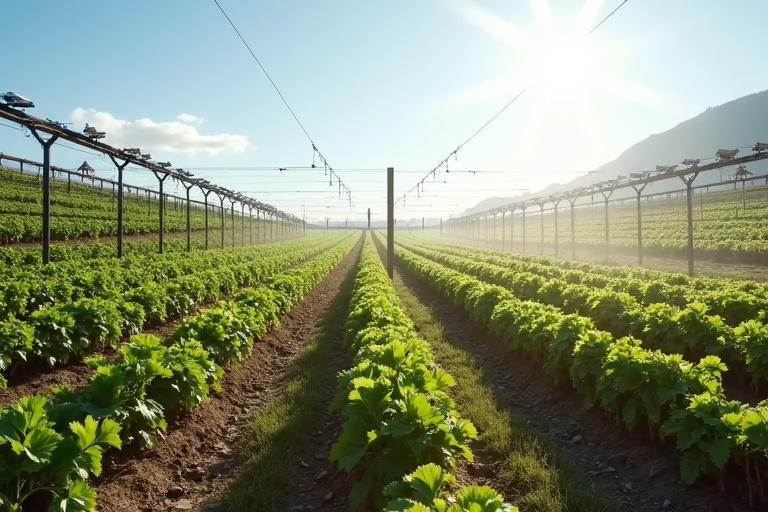
Water conservation efforts through drip irrigation systems and solar energy integration

  • Drip Irrigation
  • Solar Energy
  • Water Conservation.
Pilot Area 2

Yesilyurt, Alasehir

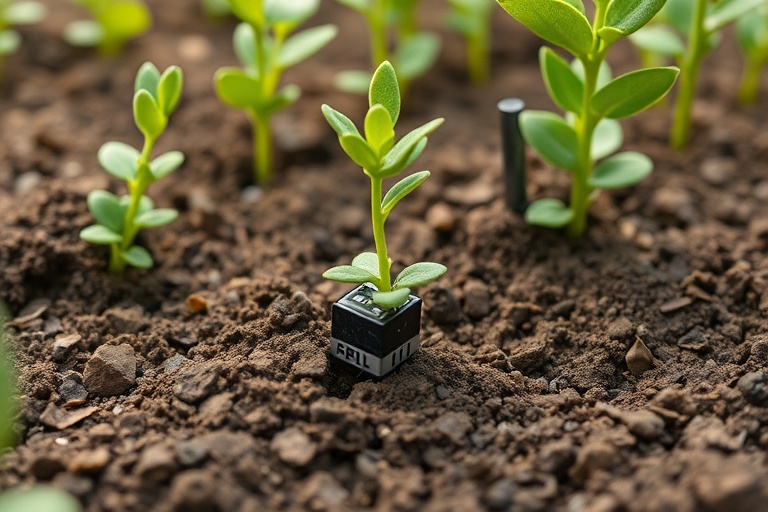
Efficient irrigation practices with soil moisture sensors and automation systems

  • Humidity Sensors
  • Automation
  • Efficient Irrigation

Stakeholder Experiences

Views and experiences of the organizations involved in our projects

In Priority Water Basins such as the Gediz Basin, we work to improve access to water, water availability, and water quality through collective action platforms that bring together public, private sector, and local stakeholders, and to support the development of projects aimed at creating a net positive water impact at the basin level. Our expectation is that collective action initiatives like GYSU will proliferate and contribute to solving the problems of the Gediz Basin.

In evaluations conducted in line with our institute's scientific expertise and field-oriented research approach, it has been determined that the aims and objectives of the GYSU Project are perfectly aligned with our institute's areas of responsibility and institutional mission.

It has been determined that our priority areas of work, which we are carrying out through Manisa Water and Sewerage Administration (MASKİ), such as the renewal of drinking water networks and the reduction of water loss and leakage rates, the protection and efficient use of underground and surface water resources, and the construction of new drinking water reservoirs, transmission lines and boreholes throughout the province, are highly aligned with the objectives of the GYSU Project.

Our experience shows that the GYSU Project is not just a technical intervention; it also offers a stakeholder-based learning and collaboration model that strengthens the long-term resilience of the grape value chain.

The GYSU Project offers a participatory approach that is nourished by local knowledge, places the producer at the center, and supports the long-term sustainability of grape production in Alaşehir.

It is noteworthy that the GYSU project offers a strong collaborative model that addresses productivity, water conservation, and environmental sustainability in viticulture together. We believe that sharing the results of the pilot production application will also provide an important foundation for long-term studies aimed at increasing the resilience of grape production in the region against water and climate risks.

Toros Tarım, as a project partner in the GYSU Project, aims to combine its knowledge, experience, and technical contributions regarding the correct use of fertilizers through a collective action approach.

Our expectation from the GYSU project is that it will contribute to strengthening long-term agricultural resilience in the Gediz Basin by producing measurable and scalable results that make the practical application of scientific analyses visible in the field.

Data from the Field

Comprehensive research and data collection studies carried out in the Gediz Basin

250+

Farmer Survey

Water use habits and needs of local farmers.

45

In Depth Interviews

Challenges faced by local producers and proposed solutions.

15

Technical Report

Evidence based reports produced through water management and basin analysis studies.

Survey Findings

Local farmers’ water use habits, irrigation methods, and encountered challenges were analyzed in detail.

Interviews

In depth discussions with local producers enabled the development of region specific solutions.

Our Stakeholders

Our stakeholders and collaborations involved in our projects